
To Buy Abilify Online Visit Our Pharmacy ↓
 Abilify Versus Other Antipsychotic Medications
Key Differences between Abilify and Traditional Antipsychotics
When exploring medication choices, Abilify stands apart within the landscape of antipsychotic drugs. While conventional agents primarily block dopamine receptors, Abilify operates with a distinctive mechanism. Instead of fully blocking dopamine, it partially stimulates certain receptors, creating a balanced effect.
This mechanism often means a lower likelihood of causing some of the movement disorders or sedation associated with earlier drugs. Patients who had difficulty tolerating older medications sometimes find Abilify a more manageable option.
Its flexibility also allows use across different conditions, not limited to psychotic disorders. Importantly, Abilify’s modern pharmacological profile appeals to clinicians seeking tailored treatment plans.
| Aspect | Abilify | Traditional Antipsychotics |
|---|---|---|
| Dopamine Activity | Partial agonist | Full antagonist |
| Common Side Effects | Akathisia, insomnia | Sedation, movement disorders |
Side Effect Profiles: What Makes Abilify Unique

Unlike many older antipsychotics, Abilify is known for a milder side effect profile, particularly when it comes to sedation and movement-related issues. While traditional medications often cause drowsiness or involuntary tremors, users of Abilify typically report less daytime lethargy. Another point that sets Abilify apart is its lower risk of raising prolactin levels, which can reduce hormonal complications. For those concerned about extrapyramidal symptoms, Abilify’s unique action offers added reassurance, making it a popular choice among clinicians and patients alike.
Effectiveness in Treating Various Psychiatric Disorders
Abilify stands out among antipsychotics because of its broad-spectrum utility. Unlike some older medications that are mainly reserved for schizophrenia, abilify is FDA-approved for bipolar disorder, major depressive disorder (as an adjunct), and even irritability associated with autism. This versatility means clinicians often choose abilify when patients require targeted symptom relief across multiple psychiatric conditions.
Clinical trials reveal that abilify’s unique action as a partial dopamine agonist offers robust efficacy in reducing both positive and negative symptoms of schizophrenia. It also helps to stabilize mood swings in bipolar disorder. Many patients experience noticeable improvements in daily functioning and emotional stability, fueling its growing use.
Patient Experience: Tolerability and Adherence Compared
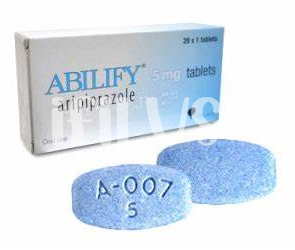
For many patients transitioning to Abilify, the day-to-day experience can feel notably different compared to older antipsychotic medications. Unlike some traditional antipsychotics, which are often associated with pronounced sedation or motor side effects, Abilify is frequently described as more energizing and less disruptive to daily routines. This improved tolerability often means that patients are more likely to stick with their treatment over the long term.
Adherence is a key factor in successful outcomes for psychiatric conditions. While all medications present challenges, Abilify’s comparatively mild side effect profile reduces common barriers to ongoing use. Many find that its lower risk of excessive weight gain or metabolic issues eases anxieties about taking medication.
Patients consistently report that reduced drowsiness and manageable side effects enable them to maintain better engagement in work, family, and social life. As a result, these advantages play a crucial role in empowering individuals to remain committed to their mental health journey.
Metabolic and Weight-related Considerations of Antipsychotics
Among antipsychotic medications, weight gain and metabolic changes often pose significant challenges for patients and clinicians alike. Drugs like olanzapine and clozapine, for instance, are well-known for contributing to increased appetite and substantial weight gain, which may in turn elevate the risk for diabetes and cardiovascular disease. In contrast, Abilify (aripiprazole) stands out for its more favorable metabolic profile, generally associated with less weight gain and lower rates of cholesterol or blood sugar elevation.
This advantage can make a real difference in long-term treatment plans, especially for individuals already at risk for metabolic syndrome. Choosing an antipsychotic that balances effective symptom control with a lower likelihood of metabolic side effects can help enhance adherence and improve overall outcomes for patients.
| Antipsychotic | Typical Weight Gain | Metabolic Risk |
|---|---|---|
| Abilify (Aripiprazole) | Low | Minimal |
| Olanzapine | High | High |
| Risperidone | Moderate | Moderate |
| Clozapine | High | High |
Cost, Accessibility, and Long-term Management Considerations
When beginning treatment with Abilify or other antipsychotics, patients often weigh factors beyond just medical effectiveness. Insurance coverage, generic options, and local availability play a major role in determining which medication is chosen. Abilify, as a widely prescribed newer antipsychotic, tends to be more accessible in its generic form—aripiprazole—making it a cost-effective option compared to some brand-only medications.
However, pharmacy supply can fluctuate, especially in rural or underserved areas. Long-term management also includes monitoring for side effects and physician visits, all of which impact both the financial and practical commitment of staying on medication. Balancing these aspects is essential for sustainable mental health care.