
To Buy Cipro Online Visit Our Pharmacy ↓
 Common Myths about Cipro Debunked
Cipro Always Causes Severe Side Effects
Imagine hearing a friend talk about a scary reaction to an antibiotic. It’s easy to assume everyone will experience the same, but that’s far from reality. Many people prescribed this medication tolerate it well and complete their treatment without any problems at all. Of course, like all medications, certain individuals may notice side effects, yet the majority experience only mild or no symptoms.
Most Common Side Effects Frequency |-----------------------------|-----------| | Nausea | Common | | Diarrhea | Common | | Dizziness | Uncommon | | Severe Allergic Reaction | Rare |
Healthcare providers closely monitor patients to catch any unusual responses swiftly, making the medication remarkably safe for most people.
You Should Never Take Cipro with Dairy
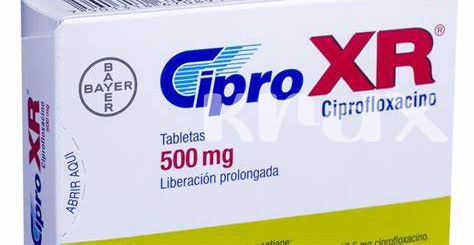
Many people believe that dairy products completely block cipro’s effectiveness, leading to anxiety at meal times. In reality, the interaction is more nuanced. Consuming large amounts of milk, cheese, or yogurt *at the same time* as taking cipro can reduce the absorption of the medication in your gut. This means it’s best to separate your cipro dose from major dairy intake by at least two hours before or after.
However, you don’t need to avoid dairy entirely while on a cipro prescription. Small amounts, such as cream in coffee or a splash of milk in tea, are generally not problematic. Following these simple timing guidelines helps ensure you receive the full benefit of your medication.
Cipro Is Effective Against All Infections
Imagine feeling unwell and turning to cipro, expecting it to be a universal cure for any infection. In reality, cipro is a powerful antibiotic, but it doesn’t work against every illness—especially those caused by viruses like the common cold or flu. While cipro can be highly effective against certain bacteria, its spectrum is specific, and using it inappropriately can do more harm than good.
Doctors carefully choose cipro based on the type of bacteria causing the infection. Misuse can lead to antibiotic resistance, making future infections harder to treat. Understanding this helps ensure cipro is used wisely, preserving its effectiveness for when it’s truly needed.
Natural Remedies Are Safer Than Cipro

Many people turn to herbal teas, vitamins, or so-called natural supplements, believing they present fewer risks than prescription medications like cipro. However, "natural" does not always mean safe or proven effective—especially for bacterial infections that require targeted antibiotics. While some plant-based remedies may offer minor relief, they can’t eradicate serious infections and may delay access to treatment that works. Cipro is rigorously tested for safety and effectiveness, which is not the case for most unregulated natural alternatives.
Cipro Interacts Dangerously with All Medicines
Many people worry when prescribed cipro, fearing it will react dangerously with any other medication they take. In reality, while drug interactions can occur, cipro’s risks are mostly limited to certain medications. For example, taking cipro with antacids, some heart medications, or blood thinners may require careful timing or adjustment.
This is why healthcare providers always ask what other drugs or supplements you use before prescribing cipro. Most patients can safely take cipro when they follow medical instructions and report their complete medication list. Being open with your doctor is key to a safe and effective treatment.
| Medication Type | Possible Interaction with Cipro |
|---|---|
| Antacids | May reduce cipro absorption |
| Blood Thinners | Can increase bleeding risk |
| Antiarrhythmics | May affect heart rhythm |
Stopping Cipro Early Is Completely Safe
Imagine feeling much better a few days after starting your antibiotics—tempting as it is, many patients choose to stop their medication early. While this may seem harmless, it’s a risky decision that could set the stage for bigger health problems down the line. When antibiotics like Cipro are stopped before the course is finished, surviving bacteria may regrow, potentially becoming more resistant to treatment.
Completing the entire prescribed course ensures all the harmful bacteria are eradicated from your system. If treatment is cut short, not only can your original infection return, but it may also be harder to treat in the future. This can result in more complicated health issues that require stronger, potentially more toxic antibiotics.
Your healthcare provider prescribed a specific duration for a reason—it’s essential for full recovery and preventing antibiotic resistance. So, even when you feel better ahead of schedule, finishing your course is the safest option for your long-term health. If you experience any concerning symptoms during treatment, it’s important to consult your doctor rather than making changes on your own.