
To Buy Clomid Online Visit Our Pharmacy ↓
 Clomid Vs. Natural Conception: What You Need to Know
Understanding Clomid: How It Works
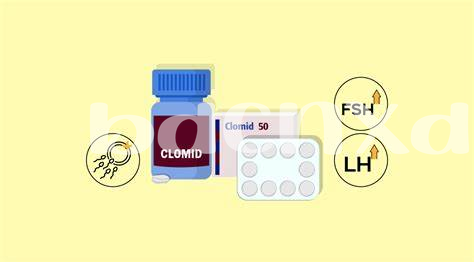
Clomid, formally known as clomiphene citrate, is a widely used medication for inducing ovulation. It primarily functions by stimulating the release of hormones necessary to trigger and maintain ovulation. By blocking estrogen receptors in the hypothalamus, Clomid tricks the body into producing more follicle-stimulating hormone (FSH) and luteinizing hormone (LH). This increase in hormones promotes the growth and release of a mature egg from the ovaries.
| Mechanism | Role |
|---|---|
| Estrogen Receptor Blockade | Increases production of FSH and LH |
| Hormonal Stimulation | Induces ovulation by maturing ovarian follicle |
This targeted action makes Clomid an effective treatment for women with ovulatory dysfunction, enhancing the chances of conception by promoting a predictable ovulatory pattern.
The Science Behind Natural Conception

Natural conception unfolds as a captivating biological dance, where egg and sperm meet in perfect harmony to create life. At its core is ovulation, a monthly phenomenon where a mature egg prepares for fertilization during the window when chances of conception are highest. Compared to Clomid, which stimulates ovulation in those struggling to conceive, natural conception relies on the intricate balance of hormones. During this process, the environment inside the female reproductive system plays a critical role in nurturing the sperm and facilitating fertilization.
Fertilization occurs as the sperm penetrates the egg, leading to a cascade of cellular events that mark the beginning of embryo development. This complex process is driven by precisely timed hormonal cues and is often unpredictable in its success. Unlike the predictable cycle that Clomid offers, achieving pregnancy naturally involves a multitude of factors. The sperm's journey through the female body faces many obstacles, highlighting the delicate nature of natural conception.
Successful implantation of the fertilized egg into the uterus signifies the start of a potential pregnancy. The endometrium, or the uterine lining, must be receptive, while the embryo needs to possess the potential for development. This intricate process underscores the richness of natural conception, juxtaposed with Clomid's medical approach that aids those whose hormonal landscapes make a natural path more challenging. Understanding each approach's science enriches your perspective on choices available for starting a family.
Clomid: Benefits and Potential Side Effects
Clomid, known generically as clomiphene citrate, has been a breakthrough for women experiencing difficulties with ovulation. This medication functions by stimulating the ovaries to release eggs, enhancing the chances of conception. For those struggling with irregular menstrual cycles, Clomid offers a structured path towards potential pregnancy.
However, it's crucial to be aware of possible side effects. Some women experience mood swings, bloating, or hot flashes while on Clomid. There's also a slightly elevated risk of multiple births, which might be a joyful bonus or an additional challenge, depending on one's viewpoint.
Understanding these aspects helps balance expectations and manage the journey towards parenthood effectively. As always, consulting with a healthcare provider will tailor this choice to individual health needs and reproductive goals.
Natural Conception: Pros and Limitations
Opting for natural conception can be a serene journey, devoid of medical interventions like Clomid. This path allows couples to embrace the unpredictability of nature, fostering a deeper connection and understanding between partners. One of the standout advantages is its cost-effectiveness, as it eliminates the need for fertility medications. However, natural conception is not without its challenges. Factors like age, lifestyle, and health conditions significantly influence success rates. The lack of intervention may be ideal for some, but patience is essential, as conception could require more time compared to medically-assisted routes. For couples who face obstacles, exploring treatments, including Clomid, might become necessary.
Factors Influencing Your Conception Choice
Choosing between Clomid and natural conception methods can feel overwhelming, as various factors influence your decision. Every individual or couple has unique circumstances, including medical history, personal beliefs, and lifestyle preferences, which should be considered. Clomid might be an appealing option due to its potential to stimulate ovulation in women facing challenges with regular ovulation. However, it's crucial to evaluate varying success rates, potential risks, and cost factors associated with Clomid treatment.
Conversely, some people might prefer attempting natural conception methods, valuing the lack of medical intervention and prioritizing healthy lifestyle changes and timed intercourse. Emotional preparedness and the couple’s mental and emotional well-being can significantly sway the decision-making process. Below is a table summarizing these considerations:
| Factor | Clomid Consideration | Natural Conception Consideration |
|---|---|---|
| Medical History | May assist with ovulation issues | No medical intervention |
| Lifestyle Preferences | Includes medication intake | Focuses on lifestyle changes |
Ultimately, consulting a healthcare professional is vital for understanding the suitability of Clomid versus natural conception, ensuring decisions align with individual health conditions and personal values. By weighing these factors, aspiring parents can make empowered and informed choices, setting the foundation for a positive conception journey.
Expert Opinions: Making an Informed Decision
When it comes to making an informed decision about using Clomid or opting for natural conception, expert opinions can provide valuable perspectives. Reproductive endocrinologists often emphasize how Clomid can help stimulate ovulation, especially in women with polycystic ovary syndrome. Yet, fertility specialists also recognize the benefits of understanding and leveraging natural conception methods. The choice often hinges on personal health, financial considerations, and emotional readiness. Consulting with a healthcare provider can illuminate individual factors that may influence the decision. Expert guidance can be crucial, as they are updated on the latest research and can tailor advice based on specific needs and goals.
Clomid Information - PMC Clomid Overview - Mayo Clinic