
To Buy Prelone Online Visit Our Pharmacy ↓
 Tapering Off Prelone: Step-by-step Process
Understanding Why Tapering Off Prelone Matters
When it’s time to reduce or stop Prelone, the process requires careful planning. Abruptly ending this steroid can trigger withdrawal symptoms or even a flare-up of the original condition. Prelone, a type of corticosteroid, influences how your body manages inflammation and stress hormones.
Cutting down too quickly can leave your body struggling to compensate for the hormone change. A gradual approach helps your adrenal glands resume their natural cortisol production, minimizing risks and making the transition safer. Patient, stepwise reduction is key to maintaining well-being.
| Reason for Tapering | Potential Risks if Not Tapered |
|---|---|
| Supports adrenal recovery | Adrenal insufficiency, fatigue |
| Prevents sudden symptom return | Flare-up of underlying condition |
| Reduces withdrawal side effects | Nausea, body aches, weakness |
Consulting Your Doctor before Making Any Changes

Navigating a medication change, especially with a corticosteroid like Prelone, requires expert guidance. Your healthcare provider understands the nuances of your condition and the unique ways your body may respond. Sudden alterations in dosage can trigger unintended consequences, undermining your progress or triggering withdrawal symptoms. Regular communication allows for a shared understanding of goals and concerns. By collaborating closely with your doctor, you not only protect your health but also gain peace of mind, ensuring a safer and more comfortable transition away from Prelone.
Spotting Common Withdrawal Symptoms and Side Effects
For many, the journey off prelone can come with unexpected physical and emotional changes. As your body adjusts to lower steroid levels, you might notice symptoms like fatigue, joint pain, or headaches creeping in. Mood swings or irritability often surprise people, adding another layer of challenge to daily routines.
Pay close attention if you experience dizziness, nausea, or even stomach discomfort. These are common effects of the body working to regain hormonal balance. Some people also report trouble sleeping or muscle aches, which tend to lessen as time goes by.
Keeping a journal of symptoms can help you identify patterns and share valuable information with your healthcare provider.
Creating a Personalized Tapering Schedule Step-by-step
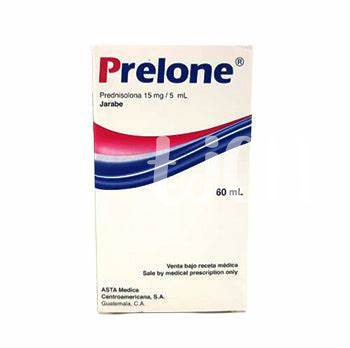
When it’s time to begin tapering off Prelone, many people feel both hopeful and anxious. Working with your healthcare provider, you’ll start by reducing your dose gradually—usually by small increments each week or every few days. This gentle approach helps your body adjust to having less medication, making withdrawal symptoms less intense.
Your doctor may recommend keeping a daily medication journal. This allows you to track both dosage and how you feel, helping both you and your healthcare team spot patterns or any signs of discomfort early on. Adjustments to the tapering schedule might be necessary based on your body’s responses.
Remember, each person’s tapering process is unique. Some may need a slower reduction, especially after long-term Prelone use, while others progress more quickly. Consistent communication with your doctor is essential for success.
Lifestyle Tips for a Smoother Tapering Experience
Making small but consistent changes to daily routines can significantly ease the process of tapering off Prelone. Prioritize regular physical activity—even short walks boost mood and energy—while staying hydrated helps flush your system. Nutritious meals rich in vegetables, lean proteins, and whole grains support recovery and steady energy levels.
Don't overlook stress management: mindfulness practices such as meditation, gentle yoga, or journaling can counteract anxiety and mood swings during withdrawal. Aim for consistent sleep by creating a calming evening routine and maintaining regular bedtimes. Sharing your progress with supportive friends or a counselor can also provide valuable encouragement.
| Tip | Benefit |
|---|---|
| Daily exercise | Boosts mood, reduces fatigue |
| Balanced diet | Steady energy, aids recovery |
| Stress reduction | Lessens anxiety |
| Consistent sleep | Improves healing |
| Social support | Enhanced motivation |
Knowing When to Seek Immediate Medical Help
Imagine you’re following your prescribed Prelone taper, yet suddenly, unsettling symptoms emerge—perhaps sharp abdominal pain, vomiting, confusion, or a rapid drop in blood pressure. These warning signs aren’t just uncomfortable; they could signal a medical emergency like adrenal crisis, which requires immediate professional intervention. Never try to "tough it out" if you suspect something is seriously wrong.
Staying in close touch with your healthcare provider during the tapering process is crucial. If you experience severe fatigue, fainting, persistent vomiting, chest pain, or difficulty breathing, seek urgent help right away. Acting quickly can prevent dangerous complications and safeguard your health as your body adjusts.