
To Buy Promethazine Online Visit Our Pharmacy ↓
 Promethazine Vs Diphenhydramine: Key Differences
Historical Origins: How Each Drug Was Discovered
In the mid-20th century, medical science was making rapid leaps. Scientists in France first synthesized promethazine in the 1940s, aiming to develop a potent antihistamine. Its calming side effects were soon noticed, sparking new uses beyond allergy relief. Meanwhile, diphenhydramine was discovered a bit earlier in the United States during the search for the first-gen antihistamines in the 1940s. Its ability to treat allergies and induce drowsiness was quickly recognized. As both drugs emerged, their unique traits began to shape modern medicine—one with European origins and another pioneered by American innovation.
| Discovery Year | Origin Country |
|---|---|
| Promethazine: 1940s | France |
| Diphenhydramine: 1940s | USA |
Medical Uses: Unique Purposes and Overlapping Roles

Promethazine stands out for its versatility, often prescribed not just as an antihistamine but also for nausea, motion sickness, and as an adjunct to anesthesia. Its ability to calm nausea makes it a staple in surgical and chemotherapy settings. Meanwhile, diphenhydramine is best known for tackling allergies and cold symptoms, but it’s also a go-to ingredient in many over-the-counter sleep aids. Both medications provide allergy relief, yet their strengths lend them to distinctive roles beyond just easing a runny nose.
Forms and Dosages: Pills, Syrups, and Injections
When it comes to flexibility, both of these medications offer several ways to be administered, catering to a range of patient needs and preferences. For many, the most familiar route is via tablets, a convenient option for adult users or older children who are comfortable swallowing pills. However, oral liquids, such as syrups, make dosing much easier for younger children or those who struggle with pills, providing precise measurements for accurate symptom relief.
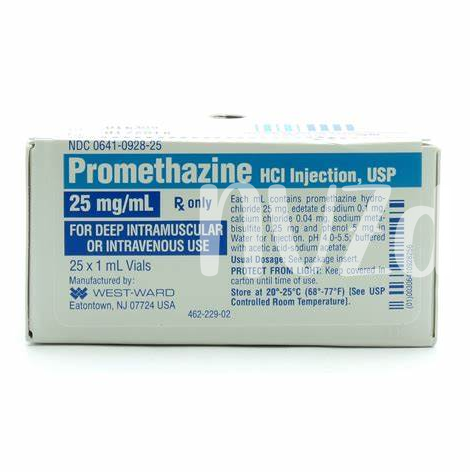
In hospital settings or for severe allergic reactions, injections become invaluable. Promethazine, in particular, is often available as an injectable formulation, allowing for rapid onset of action in emergencies. Diphenhydramine can also be given this way, typically under medical supervision. Regardless of the method, knowing the proper dosage is crucial, as both underdosing and overdosing can impact effectiveness and safety.
Side Effects: Which Has a Gentler Profile?
Despite sharing antihistamine properties, promethazine and diphenhydramine have distinct reputations when it comes to tolerability. Promethazine can cause drowsiness, dry mouth, and sometimes dizziness, though some people find its sedative effects less overwhelming than those of diphenhydramine. On the other hand, diphenhydramine is notorious for its pronounced sedating and anticholinergic side effects.
Both medications can lead to confusion or trouble urinating, especially in older adults. However, patients sensitive to excessive tiredness often view promethazine as the gentler option with somewhat fewer cognitive effects.
Sedative Effects: Which One Makes You Sleepier?
When it comes to inducing drowsiness, both promethazine and diphenhydramine are heavy hitters in the world of antihistamines. Promethazine, often found in prescription medications, is renowned for its powerful sedative action. This trait has made it a staple in treating insomnia and calming nerves before surgery. Diphenhydramine, the main ingredient in popular over-the-counter sleep aids like Benadryl, also causes marked drowsiness, but its effects can feel gentler and are more short-lived.
In clinical use, promethazine’s sedative power tends to outlast that of diphenhydramine, potentially resulting in more prolonged grogginess the next day. However, individuals may react differently, so personal experience may vary. Many find that diphenhydramine wears off more quickly, making it preferable for occasional, short-term sleep support.
| Drug | Onset of Drowsiness | Duration of Effect | Common Uses |
|---|---|---|---|
| Promethazine | Within 20 minutes | 6-12 hours | Prescription sleep aid, preoperative sedation |
| Diphenhydramine | Within 30 minutes | 4-8 hours | OTC sleep aid, allergy relief |
Interactions and Special Precautions to Consider
When choosing between promethazine and diphenhydramine, it’s crucial to consider how each interacts with other medications and underlying health conditions. Both are known to intensify the effects of alcohol, sedatives, and certain antidepressants, potentially leading to excessive drowsiness or impaired thinking. Additionally, combining these drugs with other anticholinergic medicines—such as those used for allergies, depression, or Parkinson's disease—can increase the risk of side effects like dry mouth, blurred vision, and urinary retention.
Special caution is warranted for older adults, who are more susceptible to confusion, falls, and cognitive decline due to these medications. People with conditions like glaucoma, enlarged prostate, or heart problems should consult their healthcare provider before use, as both drugs can worsen these issues. Careful review of all medications and health factors is advised.