
To Buy Ventolin Online Visit Our Pharmacy ↓
 Ventolin Dosage: Tips for Safe Inhaler Use
Understanding the Basics of Ventolin and Its Uses
Imagine reaching for an inhaler during a sudden, breath-stealing asthma attack—a small device offering instant relief. This is precisely where Ventolin steps in, serving as a fast-acting bronchodilator designed to quickly open the airways and restore normal breathing. Its active ingredient, salbutamol (or albuterol), works by relaxing the muscles in the lungs, making it easier for air to flow in and out.
But Ventolin isn’t just a rescue medication for asthma. Doctors also recommend it for chronic obstructive pulmonary disease (COPD) and sometimes for other respiratory problems that cause airway constriction.
The inhaler is a lifeline for many, but its effectiveness depends on accurate use and understanding. Getting acquainted with its uses can improve both safety and day-to-day symptom control.
| Condition | Purpose of Ventolin |
|---|---|
| Asthma | Relieves sudden symptoms, prevents attacks during triggers |
| COPD | Opens airways for easier breathing |
| Allergic Reactions | Reduces shortness of breath quickly |
Recommended Dosage for Different Age Groups
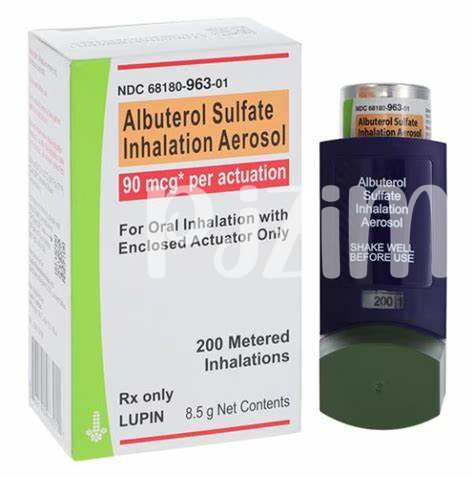
Children often need smaller amounts of Ventolin than adults, and their inhaler routines may differ. Typically, pediatric users might be prescribed one or two puffs every four to six hours, but safety always depends on individual medical advice.
For teens and adults, a common starting instruction is two puffs as needed, not exceeding the prescribed limit per day. Adhering to your healthcare provider's guidance is crucial, as overuse can lead to unwanted side effects or diminished effectiveness over time.
How to Properly Use a Ventolin Inhaler
Imagine you’re holding your Ventolin inhaler for the first time, ready to find relief. First, shake the inhaler well before each puff, and remember to exhale fully before bringing the mouthpiece to your lips. As you press down on the canister, take a slow, deep breath to draw the medication into your lungs, holding your breath for about ten seconds afterward. This technique allows for maximum absorption.
Rinsing your mouth after use can prevent irritation, and always check that the mouthpiece is clean to avoid accidental blockages. Practicing this routine ensures your Ventolin delivers the right dosage, offering quick and effective asthma symptom control every time.
Common Mistakes to Avoid While Inhaling
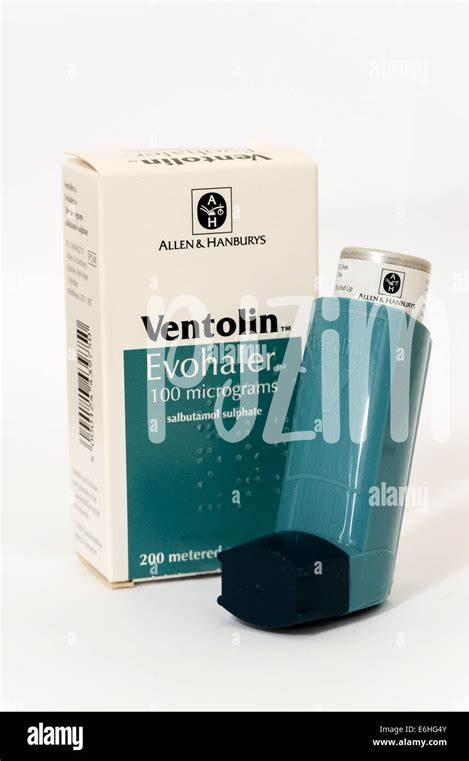
Picture this: you’re feeling short of breath, you grab your Ventolin inhaler, and in your hurry, you exhale directly into the mouthpiece or puff too quickly. These slip-ups are more common than you might think, and can reduce the medication’s effectiveness. One prevalent error is not shaking the inhaler well before use, which means the dosage may not be correct.
Another easily overlooked mistake is failing to hold your breath for about 10 seconds after inhaling the medicine. This step allows the medication to settle deep in your lungs rather than escaping right away. By focusing on proper inhaler technique, you maximize relief and minimize wasted doses.
Recognizing Signs of Overuse or Misuse
Using ventolin more frequently than prescribed or increasing the number of puffs without a doctor’s approval can lead to unwanted side effects. People may notice their hands start to tremble or feel a rapid heartbeat that is hard to ignore. Sometimes, unusual nervousness, headaches, or muscle cramps creep in without warning.
Such symptoms serve as your body’s alert system, signaling that it’s time to reevaluate inhaler habits. Overuse can also make the medication less effective, so it’s crucial to track your daily doses. Taking note of these changes helps prevent complications before they escalate, keeping asthma or breathing issues well-managed.
| Possible Sign | What to Watch For |
|---|---|
| Rapid heartbeat | Noticeably faster pulse after inhaler use |
| Shakiness | Trembling hands or nervous feeling |
| Frequent headaches | Persistent or unexplained headaches |
When to Seek Medical Advice for Adjustments
If you notice your symptoms becoming more frequent or severe despite using your Ventolin inhaler as prescribed, it may be time to consult your healthcare provider. Sometimes, asthma or respiratory conditions can change unexpectedly, and your current dosage might no longer be effective.
Pay attention if you find yourself reaching for the inhaler more often than usual or needing additional puffs to find relief. These could be signs that your condition needs re-evaluation or your medication plan requires adjustment.
Additionally, experiencing side effects such as increased heart rate, shaking, or chest discomfort should prompt a conversation with your doctor. Open communication ensures your treatment stays safe and effective.